

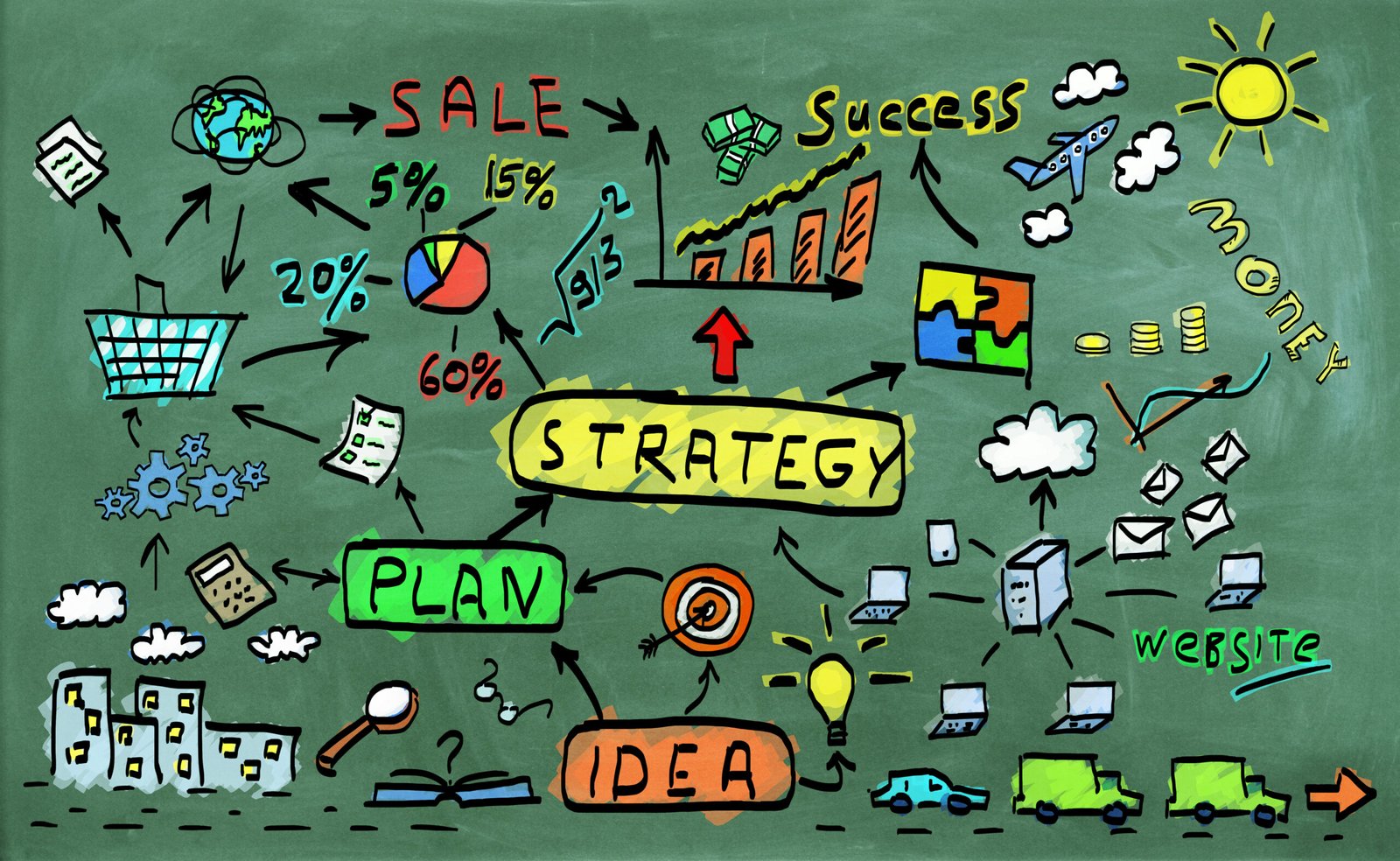

Digital Growth Is Not About Tools, It’s About Strategy
Many businesses invest in websites, SaaS platforms, or marketing tools expecting immediate results. Yet, despite using modern technologies, they often struggle to grow. The missing piece is rarely the tool itself — it is the digital strategy behind it.
Digital strategy is the foundation that aligns technology, marketing, and business objectives. Without a clear strategy, digital initiatives become fragmented, inefficient, and difficult to scale. In 2026, sustainable business growth depends more than ever on a structured and data-driven digital strategy.
What Is a Digital Strategy?
A digital strategy is a long-term plan that defines how a business uses digital channels, platforms, and technologies to achieve its goals. It connects business vision with execution across all digital touchpoints.
Key Components of a Digital Strategy
A strong digital strategy typically includes:
-
Clear business objectives
-
Target audience definition
-
Digital channel selection
-
Technology and platform choices
-
Data and analytics frameworks
-
Performance measurement and optimization
Digital strategy ensures that every digital action contributes to measurable business outcomes.
Why Digital Strategy Is Essential for Business Growth
Aligning Digital Actions With Business Goals
One of the most common mistakes businesses make is launching digital initiatives without clear objectives. A digital strategy defines priorities and ensures alignment between marketing, technology, and operations.
This alignment prevents wasted resources and improves decision-making.
Creating Consistency Across Digital Channels
Customers interact with brands across multiple digital touchpoints, including websites, social media, email, and SaaS platforms. A digital strategy ensures consistent messaging, user experience, and branding across all channels.
Consistency builds trust and increases conversion rates.
Digital Strategy and Customer Experience
Understanding User Needs and Behavior
A successful digital strategy starts with understanding users. Data, research, and analytics help businesses identify user needs, preferences, and pain points.
This insight allows companies to design digital experiences that truly solve problems and add value.
Designing User-Centric Digital Journeys
Digital strategy focuses on mapping user journeys from awareness to conversion and retention. Each touchpoint should guide users toward a clear objective.
User-centric design improves engagement and long-term loyalty.
Data-Driven Decision Making in Digital Strategy
The Role of Analytics and KPIs
Data is at the core of effective digital strategy. Analytics tools provide insights into traffic, behavior, conversion rates, and performance.
Key metrics often include:
-
Website traffic and engagement
-
Conversion rates
-
Customer acquisition cost
-
Retention and lifetime value
Data-driven strategies allow continuous optimization.
Turning Data Into Action
Collecting data is not enough. Digital strategy defines how insights are translated into actions that improve performance and growth.
This includes A/B testing, content optimization, and UX improvements.
Digital Strategy and Scalability
Building Systems That Grow With the Business
Scalable digital systems are essential for long-term growth. Digital strategy ensures that websites, SaaS platforms, and tools are built to handle expansion without major disruptions.
Scalability reduces technical debt and supports innovation.
Automation as a Growth Lever
Automation plays a major role in digital strategy. Marketing automation, CRM systems, and workflow tools reduce manual effort and improve efficiency.
Automation allows teams to focus on high-value activities.
The Role of Content in Digital Strategy
Content as a Growth Engine
Content marketing is a powerful driver of organic growth. Blog articles, guides, and educational content attract qualified traffic and build authority.
A digital strategy defines content themes, keywords, and publishing frequency to maximize impact.
SEO and Long-Term Visibility
SEO is a long-term investment that aligns perfectly with digital strategy. Optimized content improves visibility, credibility, and traffic over time.
Strategic SEO supports sustainable growth without relying solely on paid acquisition.
Digital Strategy for Websites and SaaS Platforms
Website-Focused Digital Strategy
For websites, digital strategy focuses on:
-
SEO and content marketing
-
Conversion optimization
-
Performance and UX
-
Lead generation
Websites are often the primary acquisition channel for businesses.
SaaS-Focused Digital Strategy
For SaaS platforms, digital strategy includes:
-
User onboarding
-
Retention and engagement
-
Subscription optimization
-
Product-led growth
SaaS strategy requires a balance between marketing, product, and user experience.
Common Digital Strategy Mistakes
Focusing on Tools Instead of Objectives
Many businesses adopt new tools without clear goals. Digital strategy prioritizes outcomes over technology.
Ignoring Measurement and Optimization
Without tracking performance, digital efforts become guesswork. Strategy requires continuous measurement and improvement.
How Digalyx Builds Digital Strategies That Deliver Results
At Digalyx, digital strategy is at the core of every project. We work closely with businesses to:
-
Define clear objectives
-
Select the right digital channels
-
Build scalable platforms
-
Measure and optimize performance
Our approach ensures that technology supports business growth — not the other way around.
Conclusion: Digital Strategy Is the Engine of Sustainable Growth
Digital growth does not happen by chance. It is the result of strategic planning, data-driven decisions, and continuous optimization.
Businesses that invest in digital strategy gain a significant competitive advantage and build foundations for long-term success.
Digalyx helps businesses design and execute digital strategies that drive sustainable growth in a digital-first world.